Project Leaders
The Fish Matter project is led by B2E CoLAB – Blue Bioeconomy Collaborative Laboratory, a Portuguese private non-profit organisation that works to promote the blue bioeconomy by connecting research, education, innovation and business activity. The project is developed by a consortium comprising CIIMAR – Interdisciplinary Centre of Marine and Environmental Research, IPMA – Instituto Português do Mar e da Atmosfera, ISEP – Instituto Superior de Engenharia do Porto, Universidade de Aveiro and Universidade do Minho.
Fish Matter is part of the PBA – Blue Bioeconomy Pact mobilising agenda, funded by Portugal’s Recovery and Resilience Plan (PRR).
Project Description
This innovative project has developed Fish Matter, a digital platform designed to facilitate the valorisation of co-products generated by fishing, aquaculture and marine product processing activities.
Co-products are parts of fish and other marine organisms generated during harvesting, aquaculture or processing that are often discarded or only partially utilised. These materials include heads, bones, viscera, skins and shells, which may contain valuable compounds such as proteins, enzymes, fatty acids, polyphenols and biopolymers. These compounds may have applications in sectors such as food, cosmetics, pharmaceuticals, chemicals, nutraceuticals and biomedicine.
The platform addresses a specific challenge: connecting companies and organisations that generate these co-products with the companies, technologies and knowledge that can enable their transformation and valorisation. To achieve this, Fish Matter incorporates various digital tools that make it possible to identify potential connections between supply and demand and explore new value chains.
One of its main features is the matchmaking system, which uses an intelligent matching process across different databases to identify potential synergies between co-product generators, technologies and potential partners. The aim is to facilitate the creation of new products and value chains from materials that may currently be underutilised.
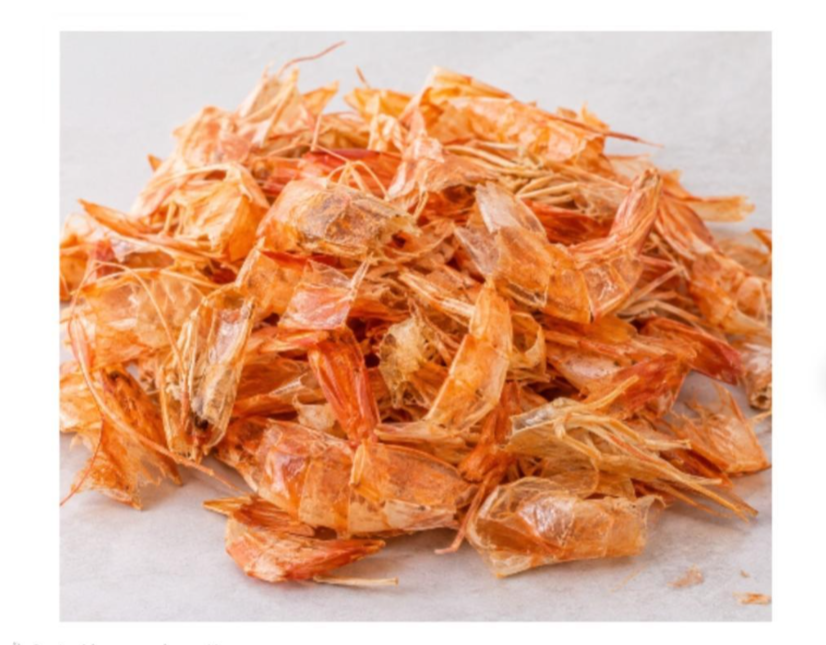
The platform also features a marketplace, where users can post offers and requests for co-products. Currently, for example, it includes offers of fish viscera and trimmings from aquaculture, gilthead seabream and European seabass heads and bones, and shrimp shells, together with information on potential valorisation pathways and the organisations offering these materials.
Another resource is the knowledge base, which centralises information on scientific articles and publications, projects, technologies and other content related to the valorisation of co-products from the blue bioeconomy. The platform also provides information on legislation, including regulations relating to food, food production, animal feed, labelling and other relevant aspects of the sector.
Fish Matter also incorporates an artificial intelligence-based assistant that allows users to submit queries and obtain support within the platform. This feature is among the tools available to registered users affiliated with organisations in the sector.
The platform also includes a directory of organisations and potential partners, allowing users to explore organisations linked to the blue bioeconomy and identify stakeholders that can contribute to the development of new projects. The directory currently includes more than 900 registered organisations.
Access to the platform combines a public area with features reserved for registered users. The public area provides information about the project, content related to co-products and sector legislation. The matchmaking, supply and demand, AI assistant and statistical information features are available to registered users associated with organisations in the sector. There are no costs or fees associated with using the platform.
Fish Matter’s main innovation lies in integrating knowledge, data, digital tools and connections between stakeholders into a single platform to facilitate the valorisation of co-products from the blue bioeconomy. In this way, the technology not only helps users find potential buyers or suppliers but also provides information on available technologies, regulations, projects and potential applications of the materials.
The project has also generated specific knowledge on the characterisation and valorisation potential of co-products. For example, researchers at Universidade de Aveiro have studied salmon heads as a source of lipids with potential applications in the food and nutraceutical sectors. Other studies carried out by the consortium have analysed transformation processes and aspects related to the safety and composition of co-products.
This case demonstrates how digitalisation and knowledge management can act as enablers of the circular blue economy, connecting underutilised resources with technologies, companies and knowledge capable of transforming them into new raw materials, products and value chains.
Project Objectives
The main objective is to contribute to the identification of new value chains, technologies and opportunities for the innovative valorisation of blue bioeconomy co-products in Portugal.
The project aims to deepen knowledge about co-products generated by fishing, aquaculture and marine product processing activities, including aspects such as type, quantity, availability, location, composition and potential uses. It also seeks to identify valorisation technologies and facilitate connections between the organisations that generate these materials and potential partners and technologies capable of transforming them into new products and applications.
Through this approach, Fish Matter contributes to the creation of new business opportunities and new areas of production and technological innovation, while promoting more efficient use of marine resources and the development of circular blue economy models.
Publication Date
19 November 2026